
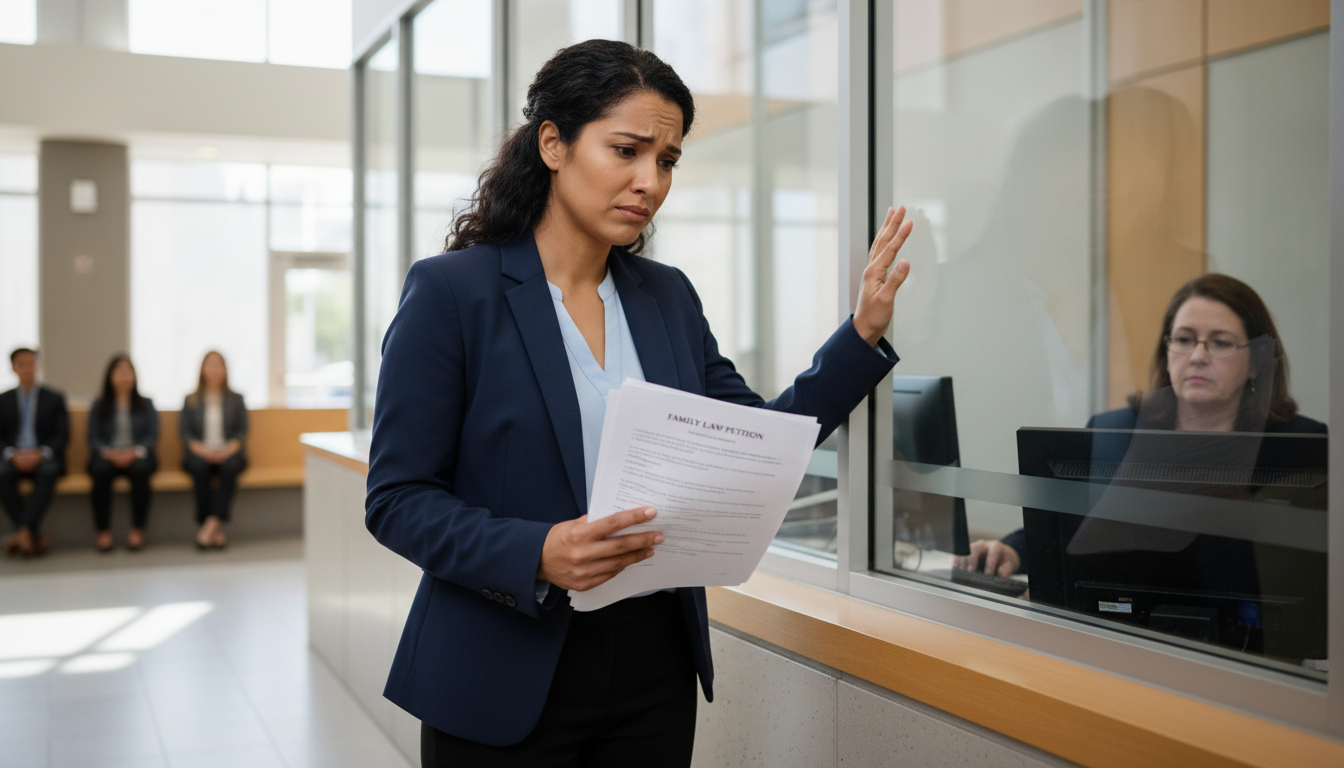
You can file for divorce independently by completing state-required forms, filing them with the court clerk, and serving the papers to your spouse. If you are asking how do i file for divorce without a lawyer, the process involves meeting residency requirements and finalizing a settlement agreement; it is most successful when both parties agree on assets, debts, and custody.
Navigating a California divorce without professional counsel often feels like traversing a complex legal maze without a map. Many individuals pursue the pro se route to minimize costs; yet, they soon encounter the reality of rigorous filing deadlines and intricate judicial forms. Understanding the procedural landscape is essential because even a minor administrative oversight can lead to significant delays or the unintended loss of property rights. In this guide, we provide a structured overview of the California dissolution process. You will learn about the specific eligibility criteria for summary dissolution, the essential steps in the standard filing checklist, and the common pitfalls that compromise self-represented litigants. We will also explore when a specialist is required to protect your interests through mediation or limited-scope representation.
The Reality of Filing for Divorce Without a Lawyer in California
If you are searching for how do i file for divorce without a lawyer, you are likely looking for ways to navigate a difficult life transition with as much efficiency as possible. In California, you have the legal right to represent yourself, a process formally known as pro se representation. This allows you to submit your own paperwork and appear before the court without an attorney of record.
While the Judicial Council forms are standardized across the state, the complexity of the process varies significantly based on your family dynamics and assets. The paperwork is identical for every filer, yet a straightforward filing for a short-term marriage differs fundamentally from complex dissolutions involving shared assets or child custody disputes.
James J. Salmons, a Certified Family Law Specialist based in Anaheim, understands the desire to manage your own case to save on costs. However, he frequently observes that legal errors in DIY filings can be far more expensive to rectify than the professional fees required for expert guidance. This guide provides a roadmap for residents in Anaheim, Orange County, and Los Angeles, offering a clear perspective on when a self-guided approach is viable and when it puts your future at risk.
Mandatory California Residency and Procedural Requirements
Before initiating the paperwork, you must confirm that the California courts have jurisdiction over your case. State law dictates that at least one spouse must have been a resident of California for a continuous six-month period immediately preceding the filing. Additionally, that spouse must have resided in the specific county where the petition is filed for at least three months. For residents in Anaheim, this usually requires filing through the Orange County Superior Court, although those living near the border may find the Los Angeles Superior Court is the appropriate venue depending on their exact residential address.
California is a no-fault divorce state, which streamlines the legal grounds for ending a marriage. You are not required to prove misconduct such as adultery or abandonment. Instead, the vast majority of filings cite irreconcilable differences. This standard means the court does not focus on assigning blame for the breakdown of the marriage, shifting the legal focus toward the equitable division of assets and the practicalities of child custody or support.
One common misconception regarding how do i file for divorce without a lawyer is that the process concludes as soon as the forms are submitted. California law mandates a six-month waiting period before a status of marriage can be legally terminated. This clock begins on the date the respondent is formally served with the summons and petition, not the date of the initial filing. Even in cases where both parties are in total agreement, you cannot be legally single until this statutory period expires. This timeframe often becomes a critical window for addressing complex dissolutions that require detailed financial disclosures.
Step by Step Checklist for the California DIY Divorce Process
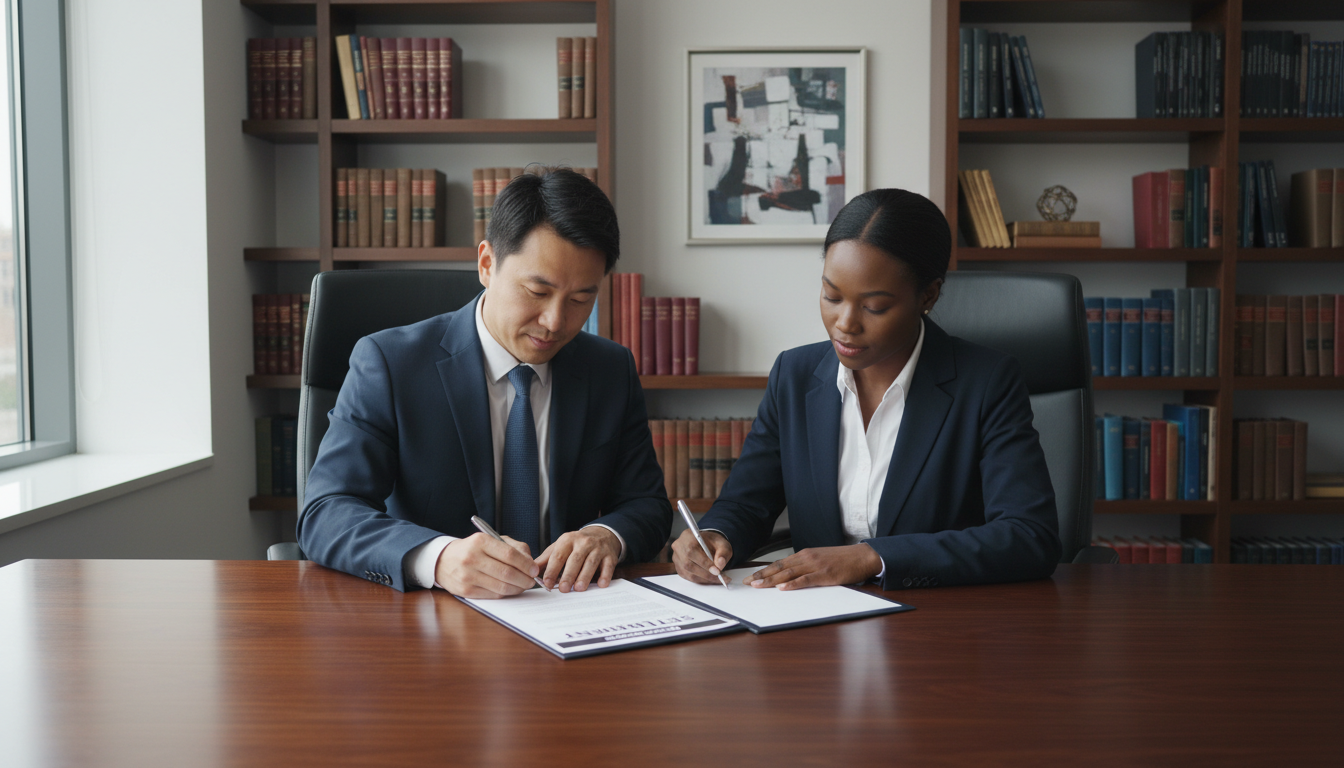
Once you establish residency, the procedural phase begins with specific paperwork required by the California Judicial Council. Navigating how do i file for divorce without a lawyer requires technical precision, as the court clerk will reject documents containing even minor administrative errors. The initial filing sets the stage for all future proceedings, including child custody and support orders.
Use this checklist to manage the first stage of the process:
Prepare the Petition (Form FL-100): This is the foundational document where you provide basic information about your marriage and state your requests regarding the division of assets and debts.
Complete the Summons (Form FL-110): This form contains standard family law restraining orders that take effect immediately upon filing. These orders prohibit both parties from removing minor children from the state or making significant changes to insurance and bank accounts without written consent.
Address Children (Form FL-105): If you have children under the age of 18, you must include the Declaration Under Uniform Child Custody Jurisdiction and Enforcement Act. This tracks where the children have lived for the past five years to ensure the court has jurisdiction.
File and Pay Fees: Submit your documents to the Superior Court. The standard filing fee in California is $435. If you cannot afford this, you may submit a Request to Waive Court Fees (Form FW-001) based on your income level.
Formal Service of Process: You cannot hand the papers to your spouse yourself. You must arrange for a third party who is at least 18 years old, such as a professional process server or a sheriff, to deliver the documents.
File Proof of Service (Form FL-115): Once your spouse is served, the server must sign this form, which you then file with the court. This step is vital because it officially starts the clock on the mandatory six month waiting period.
For those involved in complex dissolutions, these initial steps are merely the threshold. You must still complete comprehensive financial disclosures to ensure a fair division of the community estate.
When You Can Use Summary Dissolution vs. Regular Dissolution
For some, the path to how do i file for divorce without a lawyer involves an expedited process known as Summary Dissolution. This is a simplified way to end a marriage, but the eligibility criteria are rigid and strictly enforced by the court. If you meet every requirement, you may be able to avoid a court hearing entirely.
To qualify for a Summary Dissolution, your marriage or domestic partnership must meet the following standards:
You have been married or in a partnership for less than five years.
You have no children together, and the wife is not currently pregnant.
Neither spouse owns any real estate or interests in land.
Total community property is valued at less than approximately $53,000, excluding vehicles.
Neither spouse has separate property worth more than $53,000.
Total community debt, excluding auto loans, does not exceed $7,000.
Both parties agree to waive their right to spousal support.
If your situation involves child custody, retirement accounts, or a family home in Anaheim, you must utilize the regular dissolution process. Regular dissolutions are necessary for complex dissolutions where the court must divide significant assets or determine support obligations. While the summary path is enticing for its simplicity, most California residents find that their assets or family dynamics necessitate the more comprehensive regular filing to ensure their long term interests are protected.
Common Risks of Self Representation in Family Law

While the summary path is narrow, the regular dissolution process is fraught with technical requirements that pro se litigants often overlook. When considering how do i file for divorce without a lawyer, many people underestimate the permanence of the final judgment. The biggest mistake during a divorce is assuming that errors made in the initial paperwork or the final settlement can be easily corrected later; in reality, once a judgment is signed by a judge, it is legally binding and exceptionally difficult to modify without meeting high evidentiary standards.
Property division is rarely as simple as dividing everything in half. A major risk involves the failure to distinguish between community property and separate property. While California is a community property state, certain assets cannot be split, such as property acquired before the marriage, inheritances, or gifts specifically given to one spouse. However, if separate funds were commingled with marital assets to pay a mortgage or invest in a business, a complex tracing analysis is required to protect your financial interests. Without a specialist to perform this accounting, you risk losing your separate property claims to the community estate.
Retirement accounts present another significant hurdle. Simply stating in a judgment that a 401k will be divided is legally insufficient. To split these accounts without triggering immediate tax penalties or early withdrawal fees, you must prepare and file a Qualified Domestic Relations Order (QDRO). Failing to draft this specific order during the dissolution process can result in the permanent loss of your share of a spouse’s pension or retirement growth.
For families navigating child custody, vague language regarding visitation schedules often leads to high-conflict disputes down the road. Similarly, in complex dissolutions involving business interests or diverse portfolios, self-representation can lead to lopsided settlements that impact your standard of living for decades. The DIY approach is particularly risky when there is a significant disparity in income or assets, as the court generally assumes that both parties have reviewed and understood the long term consequences of the orders they are signing.
Complex Scenarios Where a Specialist is Essential
While the procedural steps for how do i file for divorce without a lawyer appear accessible, specific circumstances demand specialized legal intervention to prevent irrevocable harm. In cases involving domestic violence matters, the do-it-yourself approach is often dangerous. A significant power imbalance between spouses can lead to one party being coerced into unfair settlements or, worse, being placed at physical risk during the exchange of documents. James J. Salmons prioritizes client safety by securing necessary restraining orders and ensuring that all communication is handled through legal channels, effectively removing the victim from direct confrontation with the abuser.
Beyond immediate safety, complex dissolutions involving business valuations, equity compensation, or commingled real estate require a level of forensic accounting that standard court forms cannot facilitate. If you are attempting to divide a professional practice or navigate the tax implications of deferred compensation, a mistake in drafting your judgment could lead to a lifetime of financial loss. These scenarios require a sophisticated understanding of the California Family Code that goes beyond simply filling out templates.
When child custody becomes a point of contention, self-represented litigants often struggle to articulate the best interests of the child standard required by California courts. High-conflict scenarios frequently require the appointment of minor’s counsel or professional custody evaluations. A Certified Family Law Specialist manages these complexities to ensure the resulting parenting plan is enforceable and protective of the children’s long term well being. Relying on a DIY guide when your parental rights or physical safety are at stake compromises the fairness and finality of the legal process.
Mediation: The Middle Ground Between DIY and Litigation

For couples who have reached a consensus on major issues, the fear of a public courtroom often leads to the question, can you divorce without going to court? The answer in California is a resounding yes. While researching how do i file for divorce without a lawyer, many residents discover that a middle path exists between the high risk of self-representation and the high cost of a trial. mediation services provide a structured environment where a neutral professional helps facilitate agreements that satisfy both parties and the specific requirements of the California Family Code.
At Salmons Family Law, James J. Salmons acts as a mediator to help Orange County and Los Angeles residents formalize their agreements without the adversarial stress of litigation. Even when parties agree on child custody or the division of assets, professional oversight ensures that the resulting Judgment (Form FL-180) is drafted with the technical precision required to be accepted by the court clerk. This approach addresses complex dissolutions by providing a safe forum for negotiation, ensuring that retirement orders and property transfers are legally enforceable. By choosing mediation, you avoid the procedural pitfalls of filing alone while maintaining total control over the final outcome of your case. This professional guidance provides the legal security a DIY filing often lacks.