

Filing for divorce in California typically begins with two simple forms and a court fee of $435 (often waived in low-income situations) which answers the primary question of how much does it cost to file for divorce at the start of the process, but truly does not even scratch the surface of what a divorce may cost you. Obviously, engaging an attorney will drive costs higher. We'll briefly discuss reasonably anticipated costs, the hidden costs, and give our opinion of when you should consider hiring attorney, and when you can probably handle the process on your own.
Navigating a divorce is often as much a financial decision as it is a personal one. The uncertainty regarding total costs can create significant stress during an already challenging time. While many who reach out to us often ask, "What's the bottom line?" or "Exactly, how much will this cost me?" - the reality in California is usually more complex. Understanding the baseline filing fees is only the first step in a complex equation that may includes legal representation, expert evaluations, and administrative expenses. At Salmons Family Law, we believe that informed clients make the best decisions for their futures. This guide provides a practical breakdown of the mandatory court costs in Los Angeles and Orange Counties. We will explore the variables that influence attorney fees, identify hidden professional expenses, and compare the long term value of mediation versus traditional litigation. By the end of this article, you should have a better understanding of just how costly the decision to divorce can really be.
Understanding California Divorce Filing Fees: The Basic Entry Cost

To determine how much does it cost to file for divorce in California, you must first account for the mandatory court filing fees. As of this writing, the standard filing fee for a Petition for Dissolution of Marriage is $435.
These costs are applied to both parties at different stages. The petitioner pays the initial fee when they first submit their paperwork to start the case. The respondent is then required to pay a "first appearance fee" of the same amount when they file their formal Response. It is vital to remember that these figures are set by the state and the local court systems; they are subject to periodic adjustments and do not include additional motion fees that may arise later.
For those who may struggle with these upfront costs, the California court system offers fee waivers. If a party qualifies based on specific income thresholds or participation in public assistance programs, the court may waive these filing fees entirely. While understanding these administrative costs is a critical part of learning how to file for divorce in California, this initial fee is only the baseline for the total financial investment required for a dissolution.
The Difference Between Filing Fees and the Total Cost of Divorce
While the court's administrative fees are predictable, they represent only the entry point to the legal process. The total cost is a fluid figure, largely dictated by the level of conflict between parties and the complexity of the marital estate.
Beyond the initial $435, several variable expenses contribute to the final tally:
Professional Representation: Attorney fees typically constitute the largest portion of the total cost.
Service of Process: Hiring a professional to formally deliver legal documents to the other party.
Expert Witnesses: Specialists such as forensic accountants, appraisers, or child custody evaluators.
Administrative Costs: Charges for transcripts, depositions, and specialized court filings.
While the filing fee remains fixed by the state, the overall price tag is highly variable. A cooperative case utilizing mediation services will naturally result in a lower total cost than complex dissolutions involving business valuations or high-conflict custody/asset disputes. Managing expectations early is crucial; the legal strategy chosen, and who you retain as counsel at the outset often determines whether the case remains a streamlined administrative procedure or evolves into a protracted, high-conflict financial commitment.
Average Attorney Fees in Orange and Los Angeles Counties
The most significant variable in the total financial commitment of a divorce is the cost of professional representation. In Southern California, specifically within the Los Angeles and Orange County markets, attorney fees can be quite shocking, and apart from circumstances we'll mention below, generally billed on an hourly basis. For an experienced family law attorney, these hourly rates generally range from $450 to $800 per hour. While this reflects a substantial hourly investment, the total bill is determined by the number of hours required to resolve the specific issues of your case.
Most firms require a retainer fee at the outset of representation. A retainer functions essentially as a down payment for legal services. This money is deposited into a dedicated trust account; the attorney then draws from it as they perform work on your case, such as drafting motions, attending hearings, or negotiating settlements. If the initial retainer is exhausted before the case concludes, the client is typically required to replenish it. If a client is unable to replenish their trust account, often, unfortunately, the attorney is forced to remove themselves from the case - no one wants to work for free. Conversely, if the case reaches a final judgment and funds remain in the trust account, that balance is returned to the client upon conclusion of the representation.
When evaluating how much does it cost to file for divorce and hire counsel, it is important to consider the distinction between a general practitioner and a Certified Family Law Specialist. James Salmons holds this certification, which is granted by the State Bar of California only to attorneys who have demonstrated a high level of experience and proficiency in the field. While a specialist typically commands a higher hourly rate than an attorney who handles a broad variety of legal matters, the depth of knowledge held by a specialist often leads to greater efficiency, cooperation, and settlement. In complex dissolutions, an expert can usually anticipate potential pitfalls, streamline discovery, and prevent the kind of procedural errors that lead to expensive delays and unnecessary litigation. Ultimately, paying for specialized expertise can result in a more cost-effective outcome.
Factors That Influence the Total Price of Your Divorce
The primary driver of the total expense is the level of conflict and the complexity of the legal issues involved. An uncontested divorce, where both parties reach a full agreement on every detail before or shortly after filing, is obviously the most cost effective path. In my experience, assuming attorney's on both sides of the case drafting/reviewing provisions of the settlement agreement, this path should cost you each about $3,000. (I know, it's still quite a bit of cash). In contrast, a contested divorce requires extensive legal research and commitment by the attorney to resolve disputes, either informally with opposing counsel, or through the court system. Whether an issue can be resolved informally largely depends on who your attorney is - for each party. Too often in family law in Southern California, costs are artificially driven up by overzealous advocacy and extensive (often useless) discovery demands that require a massive chunk of time and effort to respond to accurately, and sufficiently under the
Certain high stakes issues act as primary drivers for rising costs. For instance, complex dissolutions involving business valuations, the division of professional practices, or high value retirement accounts require significant time - and often external engagements to draft highly specialized orders regarding retirement accounts - ensuring an equitable split. Similarly, disagreements over child custody can necessitate lengthy negotiations or evidentiary hearings, significantly increasing the hours billed by your counsel. Cases involving domestic violence allegations also demand a higher level of immediate legal activity; securing or defending against temporary restraining orders involves urgent hearings and detailed evidence preparation, which substantially front loads the financial commitment.
California law also includes specific provisions that impact the long term financial scope of a case. The so called "10-year rule" applies to marriages of long duration. Under California Family Code Section 4336, the court generally retains jurisdiction over spousal support indefinitely for marriages lasting ten years or more. Litigating the nuances of support in a long term marriage is often more expensive than in shorter marriages, where the duration of support is typically limited to half the length of the marriage (absent special circumstances that may warrant a longer duration).
Identifying which category your case falls into is essential for financial planning. If you and your spouse are mostly in agreement, utilizing our mediation services can keep costs lower. However, if your case involves intricate financial assets or high conflict custody issues, professional representation is necessary to protect your interests. Knowing how to file for divorce in California correctly at the outset can prevent these complex factors from spiraling into unnecessary litigation.
Hidden Professional Fees: Experts, Appraisers, and Process Servers

Beyond the courtroom and counsel, several third-party professionals are often required to move a case forward. The first expense usually involves a process server to deliver the petition. While seemingly minor, professional service in Southern California typically ranges from $50 to $150 per attempt. If your case moves into the discovery phase, court reporter fees for depositions represent another significant outlay; these professionals often charge by the hour and per page of transcript, which can easily exceed $1,000 for a single day of testimony.
In both Los Angeles and Orange County Superior Courts, highly complex dissolutions frequently necessitate the appointment of specific experts. Forensic accountants are essential for valuing a business or tracing separate property, while Evidence Code section 730 experts are appointed for child custody evaluations. These specialists provide the court with objective data but can add thousands to your total legal services tab. Finally, if you are dividing a pension or 401(k), you must account for the preparation of a Qualified Domestic Relations Order (QDRO). Drafting this document is a specialized task often outsourced to a separate professional, typically costing between $2,500 and $10,000, depending on the complexity of the account(s) involved. When calculating how much does it cost to file for divorce, these ancillary professional fees must be factored into your total budget.
How to Lower Your Divorce Costs: Mediation vs Litigation
Feeling overwhelmed yet? It's completely understandable. Controlling the total expense of a dissolution requires a proactive approach to the legal process, and clear communication with your attorney from the start. Make your goals known, and allow your attorney to discuss the benefits and shortcomings of your approach to obtaining those goals, so you can make an informed decision (with the information known at that time) on how to proceed. The most effective way to limit expenses is by choosing mediation over litigation. When a case moves toward a trial, costs escalate extremely quick due to the time required for formal discovery, pretrial motions, and preparing for and taking courtroom testimony. In contrast, our mediation services provide a private forum where parties can reach a negotiated settlement without the scheduling delays and appearance fees associated with the Orange County or Los Angeles County court systems. By resolving disputes outside of the courtroom, couples often save thousands of dollars that would otherwise be spent on trial preparation.
Even in complex dissolutions, clients can reduce their legal bills through administrative efficiency. Attorneys bill for the time spent collecting, organizing, and following up on missing financial records, for example, amongst other things. You can significantly lower your costs by providing a complete, well organized set of tax returns, bank statements, and property records immediately upon request. This allows your legal team to focus on high level strategy rather than pouring over documents for hours trying to put the pieces together of an incomplete puzzle. For cooperative couples, Salmons Family Law offers mediation as a budget friendly alternative to traditional litigation, helping you manage how much it cost to file for divorce by minimizing conflict. Learning how to file for divorce in California efficiently is as much about your organizational habits as it is about the law.
Is a DIY Divorce Actually Cheaper? The Risks of Filing Without a Lawyer
Many individuals researching how to file for divorce in California consider handling the process themselves to save money. At first glance, bypassing legal counsel appears to be a logical way to reduce how much it cost to file for divorce. Yet, this decision often leads to expensive, long term consequences that far exceed the price of a consultation.
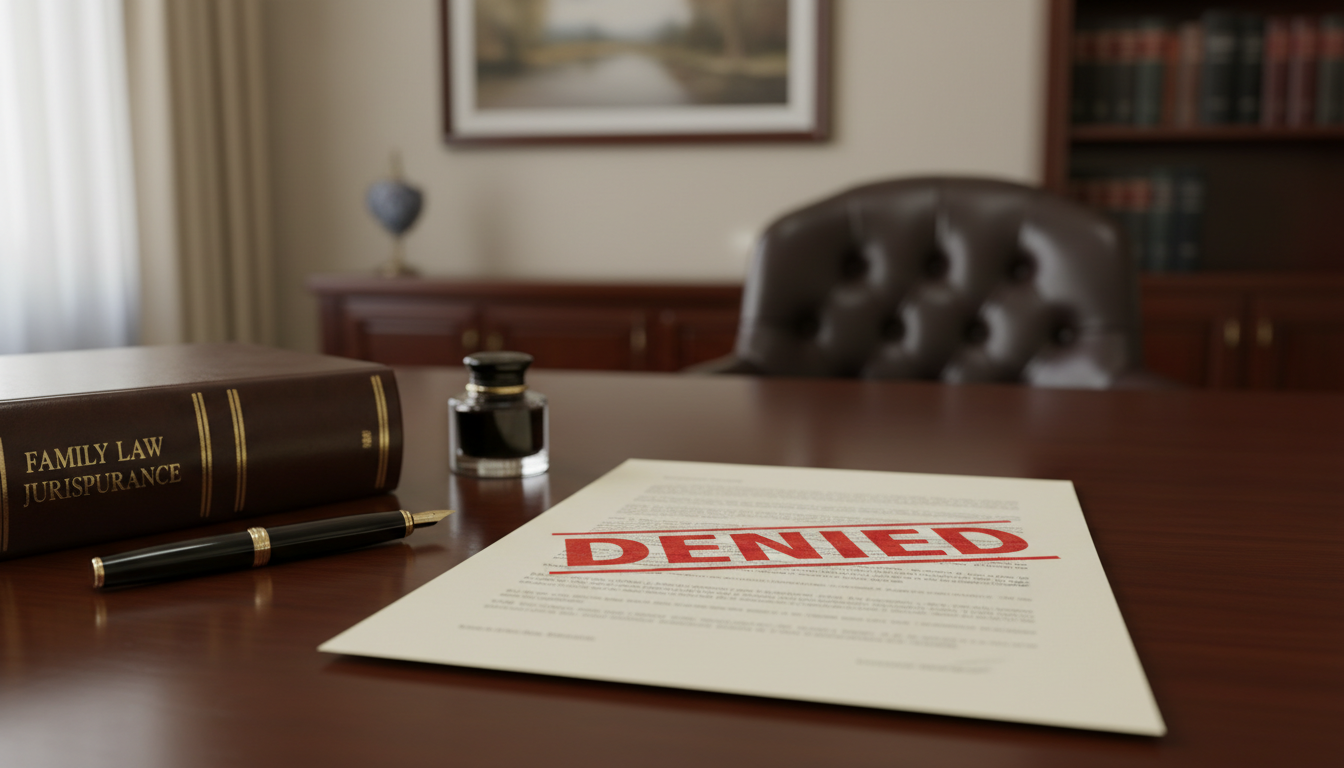
Self represented litigants frequently make critical errors in asset characterization or support calculations. A simple mistake in a property settlement agreement can result in losing a portion of a pension or being stuck with an unenforceable support order. It is important to remember that court clerks are administrative staff, not legal advisors; they cannot tell you if your proposed division of assets is equitable or if your language protects your interests. A denied stamp on defective paperwork leads to repeated trips to the courthouse, additional motion fees, and months of unnecessary delays.
In complex dissolutions, the risk of DIY filing is particularly high. Professional representation is not just a cost; it is an investment in your financial stability. Utilizing mediation services or hiring a Certified Family Law Specialist ensures your judgment is drafted correctly the first time, preventing the high cost of future litigation to fix avoidable mistakes.