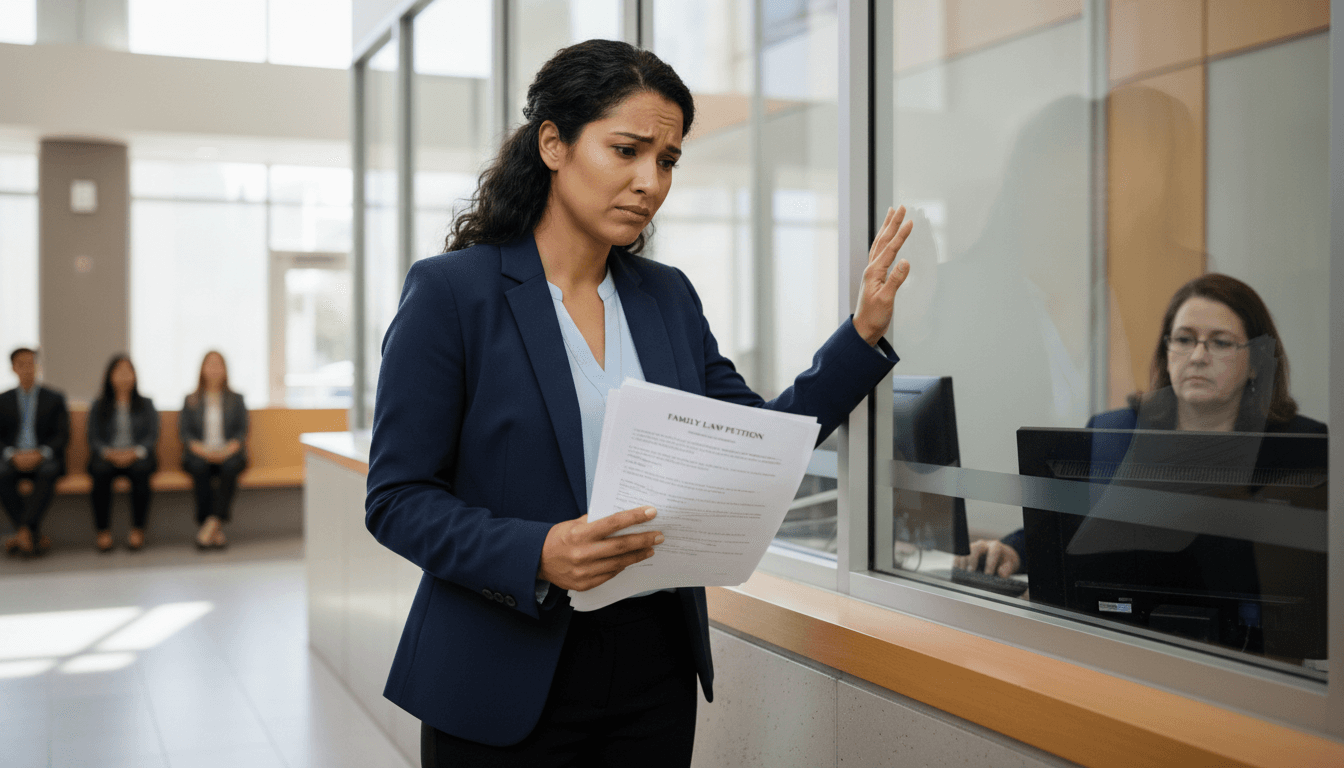
If you are being hurt, threatened, or harassed by someone close to you, California law gives you the right to seek formal protection from the court. On paper, the process appears straightforward: complete a set of legal forms, file them with the courthouse, ensure the other party is properly served, and attend a hearing where a judge determines whether a longer order is warranted. In practice, however, each of these steps carries its own procedural requirements, and a permanent order, once granted, can remain in effect for up to five years.
If you are reading this, you may be scared, overwhelmed, or just unsure what to do next. That is completely understandable. A Domestic Violence Restraining Order, or DVRO, is a powerful tool that can help keep you safe, but the court process itself can feel confusing on top of everything else. This guide walks you through it step by step in plain English, from the first form to the final hearing.
Understanding the Domestic Violence Restraining Order (DVRO) Process in California
A Domestic Violence Restraining Order, or DVRO, is a court order that tells someone to stop hurting, threatening, or harassing you. In California, abuse covers a lot of ground, not just physical violence. It can also mean stalking, harassment, sexual assault, or behavior that destroys your peace of mind.
Not everyone can get a DVRO. You need to have a close relationship with the other person, like a current or former spouse, someone you dated, a co-parent, or a close relative such as a parent, child, or sibling. If your situation does not fit one of these, a different type of order, such as a Civil Harassment Restraining Order, might be the right fit instead.
Because these cases typically move very fast and can affect child custody, and even where you live, it often helps to have a lawyer in your corner. James Salmons is a Certified Family Law Specialist who handles domestic violence cases with the urgency, attention they deserve. If you want to talk through your situation, please reach out to us, or to anyone you feel can assist. Our priority is always your personal safety, and that of your children.
Types of Restraining Orders: Emergency, Temporary, and Permanent
How quickly you can get protected depends on how urgent things are and where you are in the process. Knowing the difference between the three types of orders makes it much easier to figure out the fastest path to safety in Orange or Los Angeles County.
Emergency Protective Order (EPO): This is the fastest protection available. When police respond to a domestic violence call, the officer can reach a judge at any time, day or night, to ask for an EPO. If it is granted, it takes effect right there on the spot. But an EPO is short, usually only five to seven days. Its main job is to give you enough time to get to the courthouse and file for something more lasting.
Temporary Restraining Order (TRO): Once you file your request, a judge reviews it, often the same day or the next business day. If the judge sees a real danger or a recent history of abuse, they will issue a TRO without the other person being there. This order stays in place until your hearing, which normally happens within about 20 to 25 days. Getting a TRO is the key stepping stone between the first incident and your full court hearing.
Permanent Restraining Order: This is what comes out of your formal hearing. After the judge reviews the evidence and hears from both sides, they may issue an order that can last up to five years. Despite the name, it can be renewed before it expires if the threat is still there.
At Salmons Family Law, we help people work through all of these options, from that first phone call to the permanent order, and make sure the temporary protection you have today turns into lasting security.
Step 1: Fill Out the Right Court Forms

The first step is filling out a few court forms. The main one is Form DV-100, the Request for Domestic Violence Restraining Order. This is where you describe your relationship and walk through the specific things that have happened. You will also need Form DV-109, the Notice of Court Hearing, and Form DV-110, the Temporary Restraining Order, which the judge signs if your request is granted.
This is where people filing on their own often get stuck. Vague statements like "he is always aggressive" or "she threatened me last week" usually are not enough and can lead to a denial. Instead, you want a clear, chronological account with specific dates, exact places, and detailed descriptions of what happened. Note whether weapons were involved, if anyone was hurt, or if children were present. Think of your written statement as your testimony in writing, and take the time to be precise.
The judge relies heavily on what you write here, long before ever meeting you in person. If writing it all out feels overwhelming, you can schedule a consultation here and we can help you organize your story so it is clear and complete from the first filing.
Step 2: File Your Paperwork with the Local Court
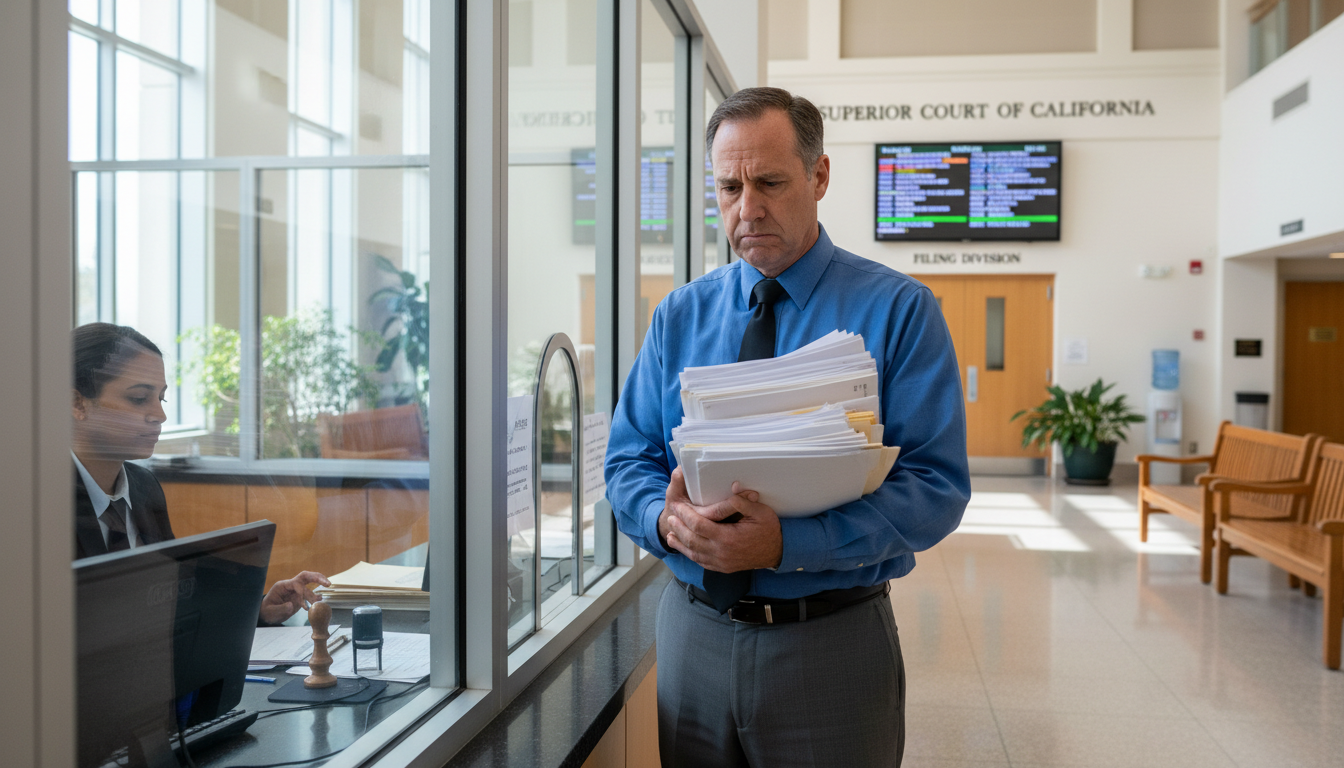
Once your forms are done, the next step is filing them with the courthouse. If you live in Anaheim or elsewhere in Orange County, this is usually done at the Lamoreaux Justice Center in Orange. In Los Angeles County, the courthouse you file at depends on your zip code, and many filings go through the Stanley Mosk Courthouse or one of the branch locations. You can search by your zip code here to locate the court where you need to file.
The good news is filing a domestic violence restraining order in California costs you nothing. There are no court fees. Once you turn in your paperwork, a judge reviews your request in what is called an ex parte session, which just means the judge looks at your declaration without the other person being there or even knowing about it. This review usually happens the same day or the next morning, and the judge decides whether to issue a Temporary Restraining Order based only on what you wrote.
Step 3: Serve the Other Person

If the judge signs and issues your temporary order, the other person must be formally notified. This is called Service of Process, and it matters a lot: the order generally is not enforceable unless the other person has been given legal notice of the terms. You cannot serve the papers yourself. It has to be done by someone at least 18 years old who is not a protected party in the case, meaning someone who is not listed as a "protected person" within the temporary order.
In Orange and Los Angeles Counties, you have a few options. You can hire a professional process server, ask a neutral third party, or have the local Sheriff's Department do it. The Sheriff usually does not charge a fee to serve a domestic violence restraining order. Once the papers are delivered, the server fills out Form DV-200, Proof of Personal Service, and files it with the court right away. If that DV-200 is not on file, police may not be able to make an arrest if the order is violated.
Step 4: Gather Your Evidence for the Hearing
First off, you must understand that you will not have much time typically, so you must organize your evidence accurately, and quickly. The temporary order lasts only until your hearing, which must be scheduled between 21-25 days from the date the Judge signs it. At the hearing, the burden is on you to show the judge that the abuse happened. The legal standard is called "preponderance of the evidence," which simply means it is more likely than not that what you are describing is true.
So what kind of evidence helps? Some of the most useful things you can bring are:
Texts, voicemails, and emails where the other person threatens, intimidates, or admits to something.
Photographs of injuries, damage to your home or property, or anything else that shows what happened.
Medical records or police reports documenting incidents or injuries.
Statements from witnesses, like friends, family, neighbors, or coworkers who saw or heard what happened.
A written journal or log you have kept with dates and descriptions of each incident, even if you never told anyone at the time.
Having these materials is a great start, but they also need to be usable in court. We can help you organize everything so it is presented clearly and any problems around hearsay or authenticity (evidence rules we can talk about if you want to know more, or check out our other posts on the topics) are strategized. If you are not sure whether what you have is enough, it is worth scheduling a consultation well in advance of your court date.
What Happens at the Hearing?
The hearing is where everything comes together. The judge will call your case, and both sides get a chance to present their testimony and evidence. If the other person was properly served but does not show up, the judge can still move forward and issue an order based on your testimony and what you have filed.
The judge is deciding whether the abuse is more likely than not to have happened. A few things tend to carry a lot of weight: how recent the abuse was, how serious the incidents were, and whether there is still an ongoing threat to your safety. If the judge decides protection is needed, they will issue a permanent order that will last at least one year, and can be granted up to five years.
Common Reasons a Restraining Order is Denied in California
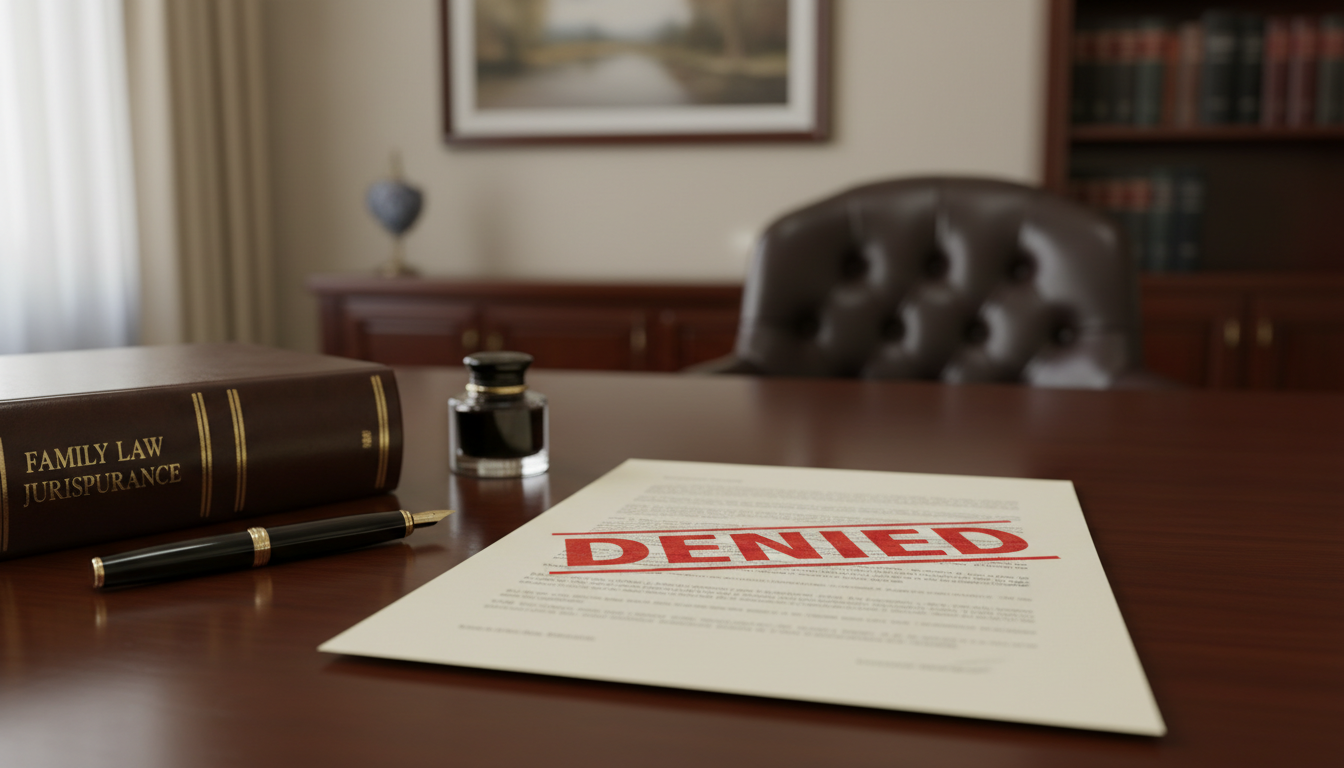
It helps to know why a request might be turned down, even when a person has real safety concerns. The most common reason is that the relationship does not qualify. If the two people are not current or former spouses, co-parents, or dating partners, the case does not fall under the Domestic Violence Prevention Act and would need to be filed as a civil harassment matter instead.
Other common reasons include:
Not enough evidence of abuse. The behavior you describe has to fit how California law defines abuse. General complaints about someone being difficult or unpleasant usually are not enough.
Too much time has passed. If the incidents happened years ago with no recent threats or escalation, the judge may see the request as stale.
Procedural mistakes. Errors like improper service or not filing the Proof of Service (Form DV-200) before the hearing can lead to a dismissal, no matter how strong the facts are.
Having a lawyer can make a real difference here. An experienced family law attorney makes sure your declaration is legally sound and that every procedural step is handled correctly. If you would like someone to review your case well in advance of your court date, schedule a consultation and we can walk through it together.
Firearms Restrictions and Enforcement After the Order
One important thing to know is that a domestic violence restraining order affects the other person's right to own or possess firearms. Under California Family Code Section 6389, anyone subject to a DVRO cannot own, possess, buy, or receive firearms or ammunition for as long as the order is in place. Once served, that person must turn their firearms over to local law enforcement, like the Anaheim Police Department or the Orange County Sheriff, or sell them to a licensed gun dealer, within 24 hours.
The restrained person also has to prove they complied. They must file Form DV-800, Proof of Firearms Turn-In, Sale, or Storage, with the court within 48 hours to show they no longer have access to weapons. If they do not, that is a violation of the court order and can lead to new criminal charges, fines, or even jail time. If you have questions about enforcing these protections, or want to make sure your order is properly recorded, schedule a consultation and we can help you stay safe every step of the way.